Hi blkperl123,
Welcome to the Mattress UnderGround,
There is a lot to unpack here, I would like to focus on the edge support issue as that seems to be a major concern.
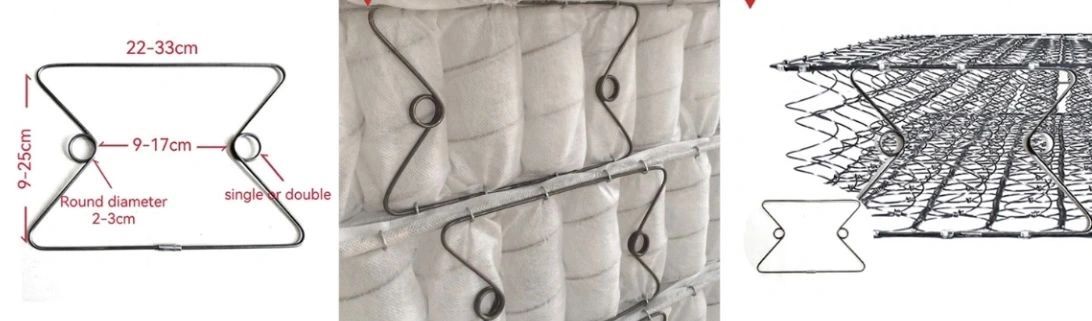
The issue you’re running into with edge support is a common one, especially for people who frequently sit on the edge of the bed. Most mattress companies talk about edge support in terms of sleeping near the edge, not sitting on it. Mattresses are not chairs, although we would like to sit on the edge of the bed and put our shoes and socks on in the morning, mattresses were not really designed for this. When you’re lying down, your weight is distributed across the surface of the mattress, so the pressure is fairly even. But when you sit on the edge, your entire body weight is concentrated on a small section of the bed. That creates a much higher level of stress on the materials at the edge, which is why many mattresses, even firm ones, can feel soft or unstable when you sit on the side. Here is a great video on edge support. A trick, or perhaps more of a common design tactic, is that many manufacturers reinforce only the long sides of the bed with a couple of rows of firmer coils. The head and foot of the bed often use the same coil pattern as the center. Mattress stores sometimes place beds in a way that makes it difficult to sit at the foot or head, so you often only feel the reinforced sides and assume the entire edge is equally supportive. Most bed frames do not allow for head or foot sitting, particularly if it has a fancy head board and foot board, which would render those areas of reinforcement unnecessary.
Some mattresses, including many hybrids and certain flippable models, use perimeter foam encasement for edge support. While this can initially help stabilize the sides for sitting, foam can compress over time, especially under the repeated concentrated pressure of sitting. However, in your case, the DLX Classic Two-Sided Firm does not use perimeter foam. Its softer edge feel likely comes from the nature of its coil system and upholstery layers. Even traditional open coil systems without a reinforced border can still feel too forgiving at the edge when regularly used for sitting, even if the mattress feels firm in the center.
The OMF Orthopedic Luxury Firm takes a more durable structural approach. It uses a heavy-gauge offset innerspring system with a six-gauge border rod that wraps around the perimeter. This rod ties directly into the coil unit and strengthens the entire edge of the mattress, not just the sides. Unlike foam encasement, which softens over time, a border rod helps the mattress resist sagging and keeps the edge firm and supportive for both sitting and sleeping. Compared to pocketed coil designs, which usually have more flex and and some are made with the foam perimeter edge support, the OMF’s coil system offers a noticeably firmer and more resilient edge. This makes it especially well suited for heavier individuals or anyone who sits on the edge of the bed frequently.
The Spring Air Haven Duo does have some interesting features, such as being flippable and a zoned coil unit that provides extra lumbar support. But from what I can listed in the specs, it appears to rely on foam encasement for its edge support. While the middle third may feel firmer due to the zoning, that edge foam is still vulnerable to compression over time, especially under repeated sitting pressure. For someone who spends a lot of time on the edge of the bed, this may become an issue sooner than with a border-rod design.
If long-term sitting support and overall edge durability are the priorities, the OMF’s coil system with a perimeter rod gives has an advantage over foam-encased and pocket coil alternatives. Another option that stands out is the Brooklyn Bedding Plank Luxe. It is a flippable, ultra-firm mattress with a dense coil system that is edge to edge and fairly resistant to sagging. I am 6’ 220 (formerly 250+ a year or so ago) and the edge support is excellent. While it does use foam components, the mattress is built to be exceptionally firm and supportive across the entire surface, including the edges.
@EngineeredSleep is another brand worth looking into, especially since they offer customization. If your daily use includes sitting on the edge of the bed, coil systems with an integrated border rod, like the one used in the OMF Orthopedic Luxury Firm, offer a much more reliable edge and better long-term durability than foam-reinforced or standard pocket coil designs. Engineered Sleep uses a double row of reinforced coils, so you may want to query them and offer your height and weight to see how their mattress may fair in your quest for superior edge support.
@BackScience uses a combination of features to ensure full body and edge support. @BillyIdol recently got the BackScience2 and can speak to the edge support of this mattress in real time.
I tend to favor edge to edge coil support, but there are those who like the look and feel of perimeter edge foam support. It does have an aesthetic advantage.
Hopefully this will give you a little food for thought.
Maverick